
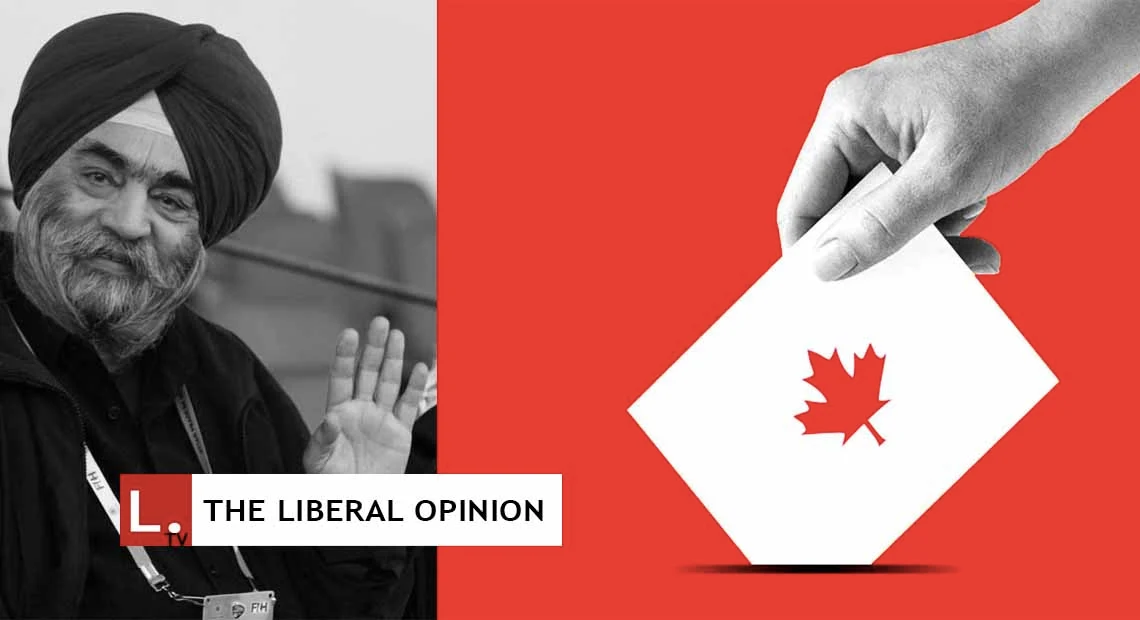
Is the current format of electoral politics due for a review?
Disturbed by growing disengagement of voters in the existing format, political scientists have been engaged in animated debates on restoring trust between voters and elect (politicians).
Their immediate provocation has been continuous downslide in the percentage of votes cast in elections at different levels.
Later this month, municipal elections are due in some Canadian provinces, including Ontario and British Columbia. Statistics of votes polled in the last two municipal elections have shown a downward trend. The trend is not only peculiar to municipal elections. It has spread to provincial and even federal elections.
In the 2018 municipal elections, polling percentage varied between 28 and 42. In the recent provincial elections in Ontario and Quebec, the polling was lowest in recent decades, refusing to cross the 43 percent mark.
Equally worrying have been the verdicts of these low turn-out polling. With 41 per cent polling, the ruling party in Quebec won 72 percent of seats. Earlier, Doug Ford’s party had got a similar mandate from 43 per cent of total voters exercising their franchise in the Ontario provincial elections.
| The Coalition Avenir Québec won back-to-back mandates in the Quebec National Assembly. It won 90 of the 125 seats, the highest by any party since 1989. The CAQ accomplished it with disturbing vote showings in recent decades. In all 41 percent of electors cast their votes to create a new record. Never before has any party wrested power in a polling with that low voter turnout. |
| It may sound strange but it is true. The CAQ won 90 of 125 seats – 72 percent – with just 41 percent of the total vote.Does the problem with the system that translates votes into seats. The results may be far from representing the actual level of popularity or support enjoyed by each of the participating political outfits. Ontario recorded the lowest voter turnout in history during the 2022 election, with just about 43.5 per cent of eligible voters casting a ballot. |
The last time voter turnout was below 50 per cent was in 2011, when just 48 per cent of Ontario residents over the age of 18 voted.
No other time in Ontario history has the voter turnout fallen that low. If the current trends are any indication, the October 24 municipal polls in the province may witness further fall in turnout.
Growing numbers of candidates, including Mayors. Reeves and Councillors getting elected without a single vote being cast, strengthens this apprehension.
In February this year, the situation in far off Punjab was somewhat similar where the new ruling party, Aam Aadmi Party, won 92 seats in a house of 117. Here, the polling percentage was a little higher but far below the average of previous polls.
Only time Punjab witnessed voter turnout below 30 per cent was in 1992 when Congress won a landslide after the main opposition party Shiromani Akali Dal boycotted the elections. Congress got two-third majority. It was the beginning of landslide wins. The last election in February 2022 was its reiteration. The mandate was the latest in decimating the opposition.
The psephologists world over are engaging themselves to list reasons for growing disengagement of voters in the electoral process. Their other concern is weakening of the Opposition as have been the recent trends.
Among the initial inferences drawn by them include voters’ losing trust in their politicians. Failure to keep or honour promises made on the eve of elections has come to be recognised as a major reason for deteriorating voter-elect relationship.
The concept of NOTA (none of the above) introduced in India to express voters’ disengagement in any of the contestants too has not delivered the desired results.
The underlying issue is the refusal of voters to go to a polling station. Though the Western democracies, including Canada, have taken steps to encourage voters to exercise their franchise by introducing polling by post and advanced polling. These initiatives have made a little difference in pushing up polling percentage.
There are vigilante groups and voluntary organisations everywhere who have taken upon themselves the onerous task of educating or persuading voters to participate in the process of choosing their political representatives. How rewarding are their efforts only time will tell. As of now there are little or no indications to stem the voters’ disengagement.
(Prabhjot Singh is a veteran journalist with over three decades of experience covering a wide spectrum of subjects and stories. He has covered Punjab and Sikh affairs for more than three decades besides covering seven Olympics and several major sporting events and hosting TV shows. For more in-depth analysis please visit probingeye.com or follow him on Twitter.com/probingeye)
Archived copy of the original page: Wayback Machine
No comments yet
Comments are closed.