
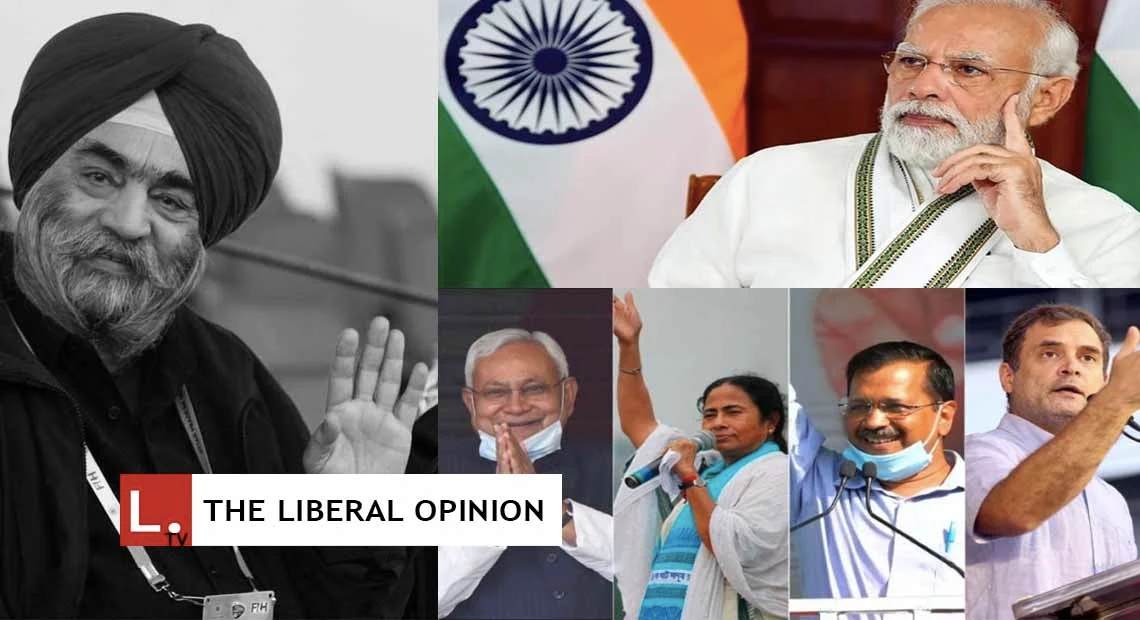
Defections and confrontations have taken Indian politics to a new level of degeneration. Instead of addressing issues like inflation, unemployment, deteriorating law and order, corruption and conflicts facing a common man, elected representatives are busy fighting their own battles of political survival. For some, it may be a battle for political or financial ascendancy while for some others, it may be to bring down their political arch-rivals.
“Eight of 11 Congress MLAs join BJP”
“Four BJP Councillors join AAP”
“AAP MLAs lodge an FIR against unknown persons offering them huge sums for defection”
These media screamers are just an indicator of bigger trouble brewing in the political echelons of the country.
Defections and confrontations have always remained an integral part of politics. But the frequency at which they have become dominant is a cause of concern for the future of a healthy and vibrant democracy.
There are animated debates in support and against defections. The area of concern, however, has been the changing face of defections. From individual defections to group or mass defections are the new disturbing trends that have rocked many States, including Bihar and Goa, besides others.
The tentacles of this menace are now spreading to engulf states like Punjab and Bengal, the States that played a dominant role in the freedom struggle of the country. Both these states are run by parties that have their origin in the recent decades – Trinamool Congress in Bengal and Aam Aadmi Party in Punjab.
Social scientists who find nothing wrong with defections hold that it is the constitutional right of an individual to hold and express any view and to form or join any association or party in advancement of his or her belief or political ideology.
This freedom, they argue, also entitles the individuals to change their views and accordingly shift their loyalties to one party or the organisation.
However, those opposing defections and terming them as “political corruption” call them “cheating their electorates” as they were voted to power by those belonging or subscribing to a particular ideology. They agree that an individual can change his views but about the faith or confidence placed in him or her by the electorates.
Though an Anti-Defection Law was brought in after a Constitutional amendment, the problem of political defections has become more pronounced and spread from individuals to groups. The group defections involving two-third members of a party or organisation provide immunity from the anti-defection law. It is what the political game changers are attempting to do. The case of Goa Congress MLAs is a glaring example of how the anti-defection law gets muted.
Those supporting “change” or defections maintain that there is nothing immoral or illegal for a politician to move from extreme left to extreme right ideology. Legislators are individuals first and they cannot be denied their fundamental right to hold any view.
But are these defections because of genuine convictions or real ideology changes fuelled by political disillusionment, disenchantment or revelations, or reasons other than them. It may be difficult to justify the spate of mass defections or attempting defections that have been screaming media headlines for the past few months. Are they in any way connected to the ensuing assembly elections in some States, including Himachal Pradesh and Gujarat?
In Punjab, AAP with a thumping majority in the State Assembly, is apprehensive of a large-scale poaching of its legislators. The AAP leadership has been alleging that some of its legislators have been offered Rs 25 crore each to defect to BJP, an allegation that the ruling national party has strongly refuted.
The AAP has lodged a formal complaint with the State police chief for action against “unknown” political poachers. Other parties have demanded a CBI inquiry into this unsavoury episode that has rocked the State politics.
Law enforcement agencies may have their hands tied at their backs in penalising people for change of their political ideology. Of course, if defections are because of “monetary” or “other benefits”, those changing political loyalties can be hauled up under relevant clauses of anti-corruption laws.
Politics need a cleansing. Political parties and their legislators have to be honest and transparent in their conduct to the electorates they represent.
Archived copy of the original page: Wayback Machine
No comments yet
Comments are closed.